


By Joseph Q. Jarvis | Published: 15 May 2026
Forty years ago I was invited to present a paper at an international Family Medicine Conference held in Panama City, Panama. My wife and I decided to travel together to the conference, leaving our children in the care of my sister for a few days. I enjoyed the meetings and had a good experience with my presentation. My wife enjoyed a few days of vacation.
One of the other speakers in my session was from Panama and he invited me to tour his primary care clinic at the end of the conference. What I saw was a clinic full of patients requiring an intensity of service beyond the norm for primary care in the US. These people came to clinic with significant conditions that had lacked proper timely attention because the cost of care was a stretch for middle or low income families in a second tier economy. The clinic had but few resources with which to respond to the problems. That doctor knew more about what diagnostic and treatment interventions should be applied than he had instruments, medical devices, medications, and referral options to offer. It was my first experience of how medicine is practiced in the developing world and it humbled me.
The following day my wife and I traveled around Panama. We engaged the services of a taxi driver whose English skills were good. He drove us across the country from the Pacific side to the city of Colon on the Gulf Coast, where my mother had been born while her father was servicing in the Canal Zone with the US Army. There I saw squatters in a walk-up high rise apartment building which had no water, power, or gas. I could only imagine what the conditions were like in that building. The taxi driver would not stop in that area telling us that it was not safe.
We visited the Canal Zone, which had only recently been returned to the people of Panama by the United States. The remarkable engineering feat behind the construction of that early 20th Century marvel was explained to us. Of course, key to that successful construction project was the conquering of yellow fever, which had been endemic. The taxi driver told us that revenues from the canal were not benefitting Panamanian Society at large. Even the lessons learned in public health were not consistently followed.
As the taxi driver finished the day driving us around the capitol city, which has a beautiful coastal area, I noticed that uniformed officers, both police and military, were carrying automatic weapons. There were machine gun posts on a number of corners, particularly in the part of town with the Presidential Palace. That was the Price for maintainig areas innthe city where it was safe to walk around.
Navigating the streets of Panama City was arduous. The taxi driver explained that he had to read the morning paper to find out which way the one way streets would be traveling on any given day.
I returned to the United States humbled by the determination of the people I met in Panama. Their daily struggle to survive in a second rate economy was beyond arduous. No adequate infrastructure, limited food supply, poor education, little modern clinic care made life hard.
As I think back on that trip, I’m struck by a growing similarity between what was the daily experience of average people in Panama then and the increasingly common situation people in the United States find themselves in.
In health care particularly, we are like that primary care physician I met at the international family medicine meeting. He knew more about what could or should be done for his patients than he was able to deliver to them. Physicians in the US today commonly know more about what their patients need than they are allowed to deliver. Insurance denials, prior authorizations, deductibles, limited networks, and other business decisions in health care are basically making American healthcare into a third world experience for our patients.
The rest of the economy is not doing so well either. Rising costs are robbing many American families of the purchasing power to make a living. We are watching in real time as the United States of America becomes a second class country, unable to meet the needs of large portions of the population. The arbitrary and capricious nature of policy making at the highest levels of our government are not unlike randomly changing the direction of traffic on one way streets and publishing it in the paper, or, nowadays, on social media.
It’s time we returned to the basic national promises articulated in our founding documents. People in the US should be free to pursue life, liberty, and happiness. The promotion of general welfare should be foremost in our policy. The rule of law should be the bedrock of our society.
We cripple our fellow Americans when we spend almost 20% of our gross domestic product on health care and then turn around and deny needed services to tens of millions. People become angry when they see that elites can get health care while they and their children are dying of common conditions because care is unaffordable. That anger can become the general attitude of large portions of the population and angry people are easy to manipulate with demagoguery, deceit, and doom conspiracy theories.
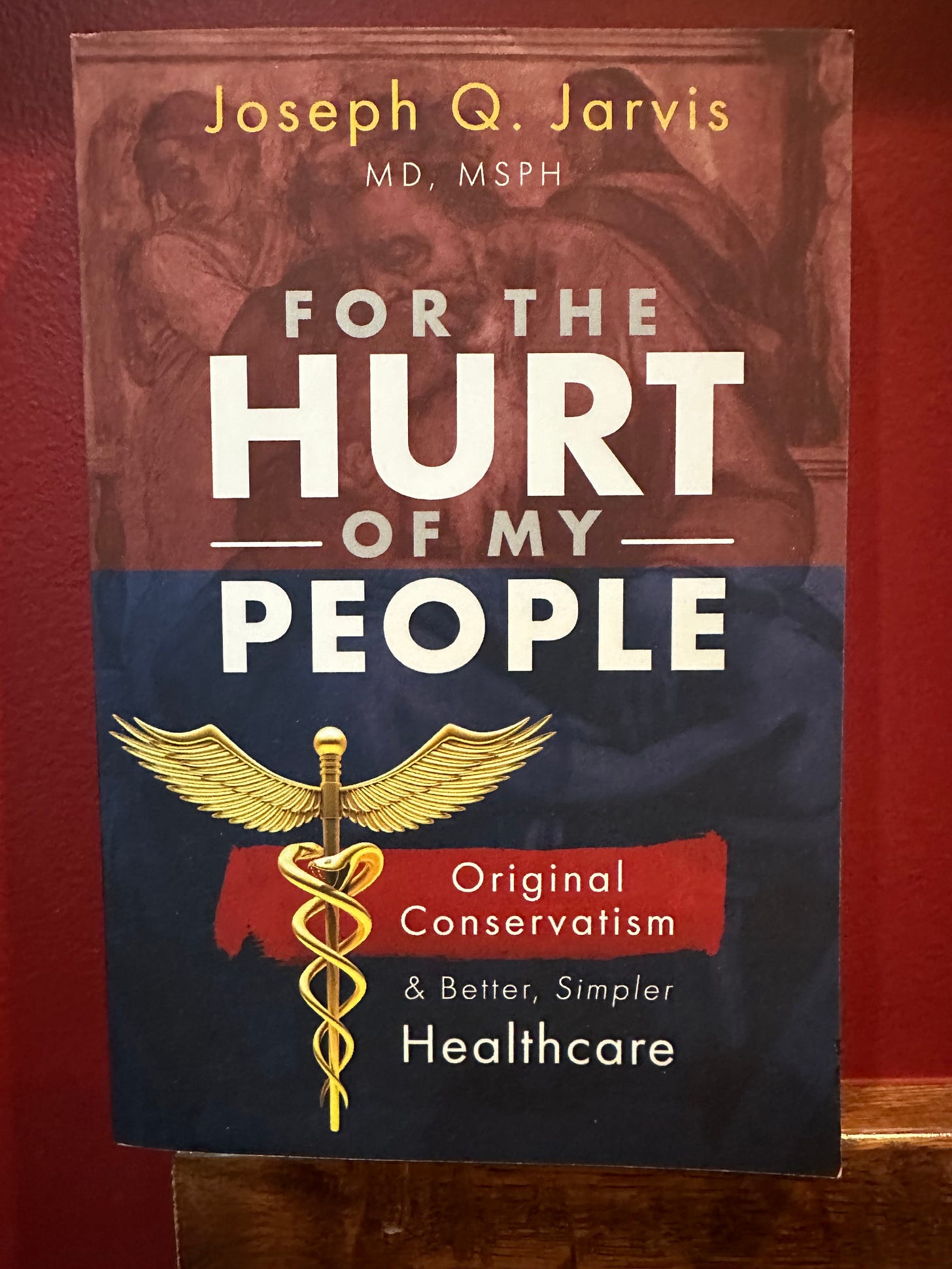
The way back to a civil society begins with spending less on health care (thus making more funds available for other needs) while improving the efficiency and quality of the health care system. The Utah Cares Act proposes to do exactly that. Read the entire act on the Utah Cares website—View source at utahcares.health. There you will also find the economic studies which document the fiscal soundness of the Utah Cares proposal for health system reform. On the website you will find links to books and a documentary film which will help you understand more about the failings of the US health care system.
We at Utah Cares need your help to put our proposal on the ballot in Utah. Please join our cause. This election year don’t waste your discretionary money on politicians, donate what you can to a cause which will bring health care to all Americans, starting in Utah.
Bringing better simpler care financed fairly to all American patients will lessen the anger and hurt in our society. We will be more at peace with ourselves once we are really caring for each other. A society that cares for everyone has a clear path to prosperity.
Many thanks.
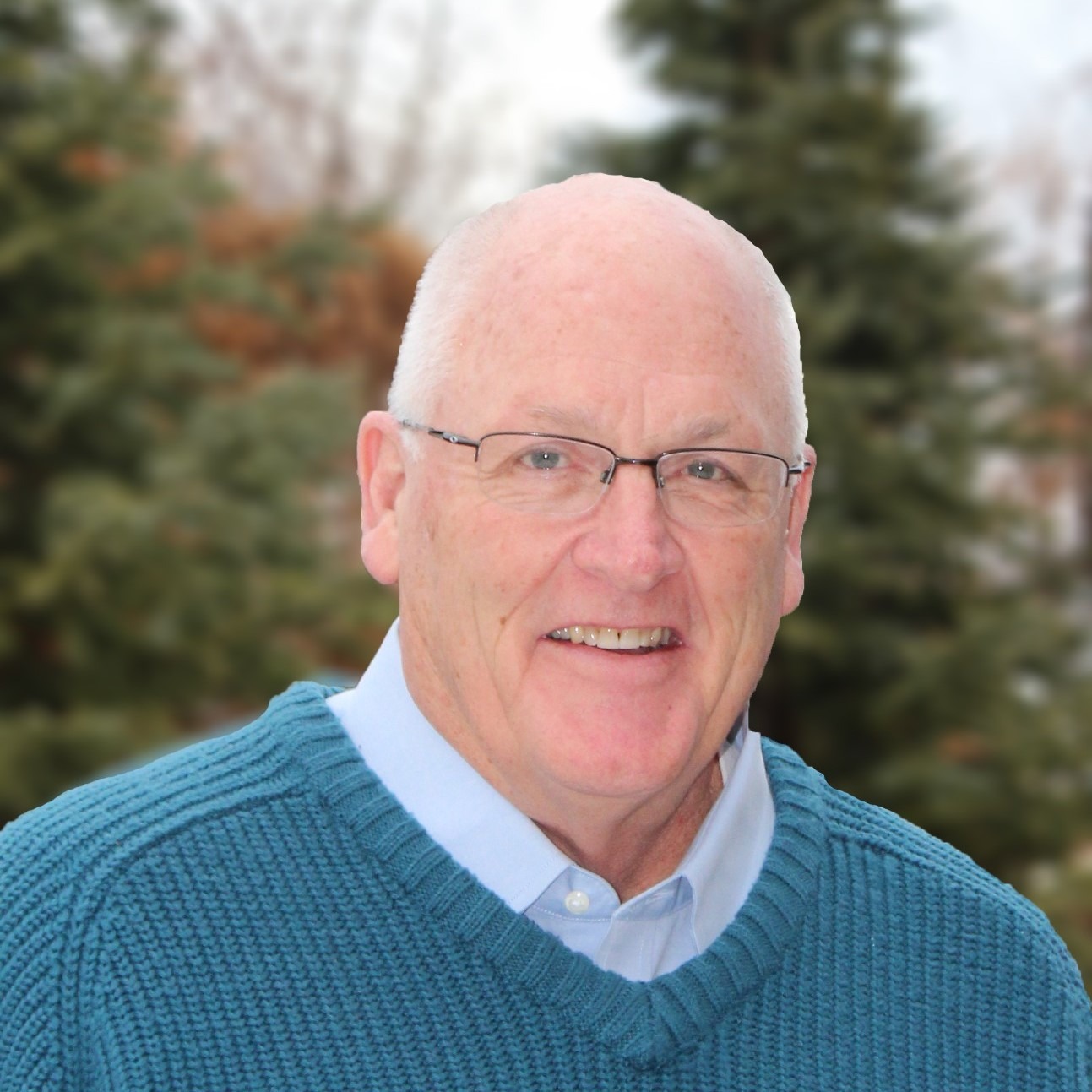
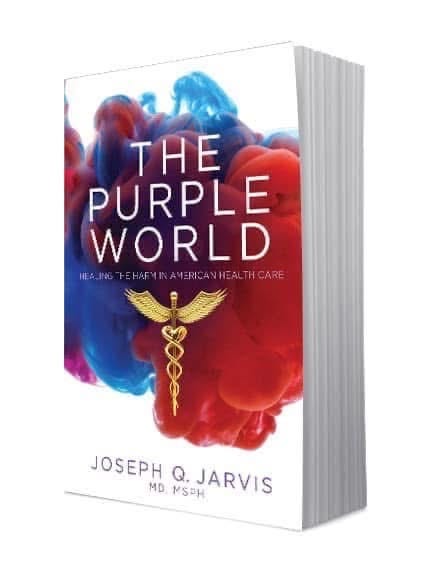
Dr. Joseph Q. Jarvis is a public health physician, chair of the Utah Cares Political Issue Committee and author of several books, including The Purple World: Healing the Harm in American Health Care and What the Single Eye Sees: Faith, Hope, Charity, and the Pursuit of Discipleship.