


By Joseph Q. Jarvis | Published: 29 June 2026
Fasting is a nearly universal practice with physical and spiritual benefits and has been used both by individuals and groups of people as a way to enhance self-discipline, encourage societal cohesion, build empathy for people in need or who are ill, recognize failings, and plead for betterment. Muslims practice fasting during Ramadan, Catholics and Eastern Orthodox Christians do so during Lent, believers in Judaism fast during Yom Kippur, Hindus and Buddhists fast during selected days of the lunar cycle, the Bahai fast during their celebration of their new year.
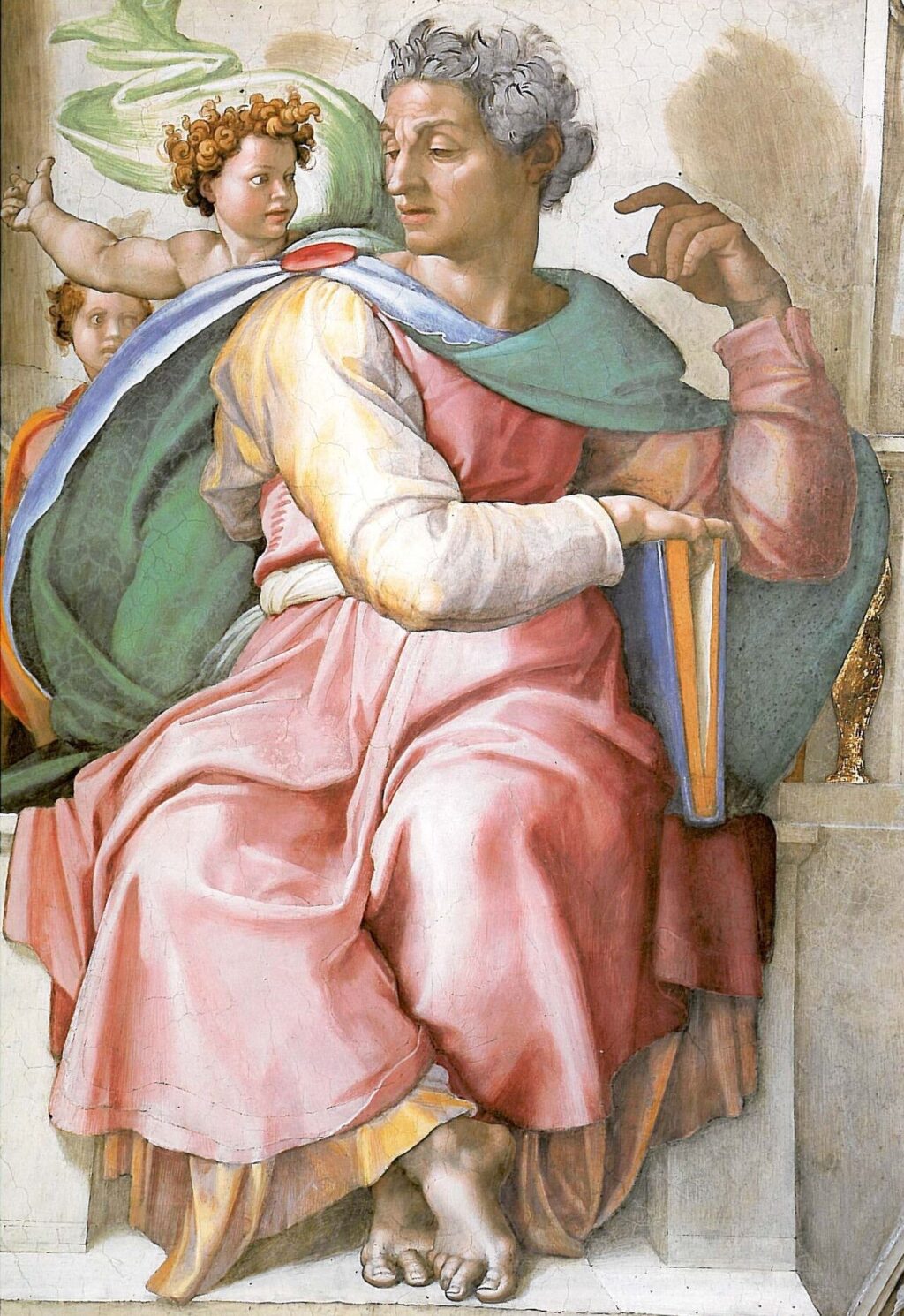
The Prophet Isaiah summarized the need for and nature of fasting in the Old Testament:
“Is not this the kind of fasting I have chosen:
to loose the chains of injustice
and untie the cords of the yoke,
to set the oppressed free
and break every yoke?
7 Is it not to share your food with the hungry
and to provide the poor wanderer with shelter—
when you see the naked, to clothe them,
and not to turn away from your own flesh and blood?
8 Then your light will break forth like the dawn,
and your healing will quickly appear;
then your righteousness will go before you,
and the glory of the Lord will be your rear guard.
9 Then you will call, and the Lord will answer;
you will cry for help, and he will say: Here am I.
Isaiah 58:6-9 NIV
Beyond religious observances, fasting together with prayers of thanksgiving has in the past been used to unify people in their national interest and bring about a remembrance of societal failings while preparing for a time of betterment. For instance, Pres. Abraham Lincoln, after dedicating several different days of fasting during the Civil War, called upon the citizens of the United States to “set apart and observe the last Thursday of November next as a day of thanksgiving and praise…(and) also with humble penitence for our national perverseness and disobedience, commend to (God’s) tender care all those who have become widows, orphans, mourners, or sufferers in the lamentable civil strife in which we are unavoidably engaged, and fervently implore the interposition of the almighty hand to heal the wounds of the nation”. This, of course, eventually became one of just a few annual holidays shared universally by all Americans—Thanksgiving Day.
In my own religion, the Church of Jesus Christ of Latter-day Saints, members are asked to abstain from food and drink (the meaning of fasting) for two meals every first Sunday of the month, focusing that effort on whatever spiritual or material needs appear to have importance. Members are further encouraged to donate the funds saved through forgoing two meals to the care of the sick, injured, homeless, hungry, and unclothed.
Personally, I find great power and solace in the practice of fasting. I engage in the practice monthly, and more often when particular needs arise. Though the funds donated each month are minimal, I have over my entire life now donated thousands of dollars to people with needs greater than my own. During the time I served as the bishop of my LDS congregation, and was expected to use those funds to assist those in need, I saw the power of many small donations aggregating to make a real difference in the lives of my brothers and sisters: the hungry were fed, the naked were clothed, the homeless were housed, and the sick were treated and cared for.
This week we are celebrating the 250th year of independence for these United States of America. There is much good that can be said of my country, but at the present, I find little to celebrate. Among the many shortcomings that I could cite (and there are too many for me to enumerate here), I have chosen to focus my efforts on the shameful status of the American health care system. We Americans alone among all wealthy nations have not arranged our national affairs such that the sick and injured can be uniformly cared for. Plausibly 200,000 premature deaths occur each year in the US because of inequities and inefficiencies in how we deliver (or don’t) health care. Yet, despite that remarkable failure to care, we outspend BY FAR any other nation when it comes to health costs, largely and lamentably because we are more interested in profiting from the illnesses and injuries of our fellow citizens than in caring for them. In our health system we truly have cause to mourn, we have fallen so short of our national ideals of promoting the general welfare and enabling the pursuit of life, liberty and happiness.
The day after the coming July 4th celebration of our nation’s birth will be the first Sunday in the month of July. As a member of the Church of Jesus Christ of Latter-day Saints I will be fasting two meals that day, July 5th. And I will donate the funds thus saved to the welfare program of my church. But, in addition, I will donate the same amount to the cause of better, simpler health care financed fairly for all Americans. I will fast and pray that day that God will help me bring about a change or reformation in how health care is organized in my country. I ask you in the spirit of Abraham Lincoln to join with me in that fast. If your physical health allows it (and there are some people, for instance diabetics, who should not) choose two meals on July 5, 2026 and forgo both food and drink during the interval that would include them. During your fast, look to your source of spiritual welfare, whatever that may be, and importune it to aid all of us in finding a better way to manage our health care system. And then, give the money you saved (or however much your fiscal situation will allow) to the organization I chair, the Utah Cares Political Issue Committee, thus joining me in the cause of reforming the American health care system.
You can learn more about the Utah Cares Political Issue Committee on our website:
View source at utahcares.health
There you can also make your donation.
Together, let us all do as the Prophet Isaiah advises: share with those in need so that “your healing will quickly appear”. Or as Lincoln also said, with malice toward none and charity for all let us bind up the nations wounds. Your small donations will be seen in heaven, will be multiplied, and will suffice for us to change American health care forever.
Thank you.

Dr. Joseph Q. Jarvis is a public health physician, chair of the Utah Cares Political Issue Committee and author of several books, including The Purple World: Healing the Harm in American Health Care and What the Single Eye Sees: Faith, Hope, Charity, and the Pursuit of Discipleship.