



By Joseph Q. Jarvis | Published: 14 August 2026
The house pictured here was where I lived with my family in Reno, NV from 1986 to 1990. Our fourth child, a daughter, was born in Reno and came home from the birth hospital to this house. My wife was pregnant with that daughter when we moved to Nevada so that I could begin work as the State Health Officer for the Silver State. As the newly appointed lead public health official in the state, I was invited to meet with individuals and groups with professional health interests. One such meeting was with the pediatric association in Northern Nevada, who gathered for a social evening prior to the birth of our daughter and invited me and my wife to attend. During the gathering one of the pediatricians, noticing that my wife was heavy with child, told me that if problems developed in the pregnancy I should return to Utah (where I had lived and trained in public health) for the delivery. He insisted that neonatal care in Reno was awful and that I would do better for my wife and child by being elsewhere. That was, of course, a startling statement.
I had already discovered that Nevada at that time had the very sour distinction of being the state with the highest per day hospital costs in the US. This was despite the fact that very few of the very expensive hospital services that I had known in Utah had become well developed in Nevada. There was no trauma system, for instance. No Burn unit. Open heart surgery was not common. Neonatal intensive care was only well organized at one Las Vegas hospital. Organ transplant services were not available in Nevada. And yet hospital costs were higher than anywhere else in the US. It was puzzling to me then.
I did confirm that neonatal care in Reno was substandard. The Nevada Health Division, where I worked, did pay for the care of sick newborns using federal Title V funds and therefore had data about newborn outcomes throughout the state. It was simply true that mortality rates in the Reno hospitals for sick newborns were twice as high as similar rates in Las Vegas.
The fact is that poor quality care costs more. When you don’t provide optimal care for the sick and injured, then ultimately the care that is provided will be more expensive, because the patients will be sicker and die unnecessarily more often.
This was one of the signal facts about health care that I learned forty years ago while serving as the State Health Officer in Nevada. I have written about all the lessons that I learned as the Nevada State Health Officer in my book The Purple World: Healing the Harm in American Health Care. You can find a link to my book on the website View source at utahcares.health

Health care in the US is vastly more expensive than anywhere else on the planet, both because the quality is poor to mediocre and because the financing is incredibly inefficient. We Americans can do something about this. We can choose to elect people who promise to radically reform our health care system rather than incrementally dabble at its edges. And we can write our desires for better, simpler health care financed fairly for all into law with ballot initiatives. We at Utah Cares have drafted the Utah Cares Act with exactly that in mind. Read the Act at View source at utahcares.health
It is absolutely the case, however, that nothing will change in American health care without your help. The campaign to reform health care is going against the single largest lobby in the history of the United States—the medical industrial complex. They control one-fifth of the gross domestic product with profit margins in excess of 20%. They can and do spend heavily to prevent change in the health care system. You must engage and donate what you can to make it possible for us to reform health care.
Please help us with this campaign. Make your donation at View source at utahcares.health
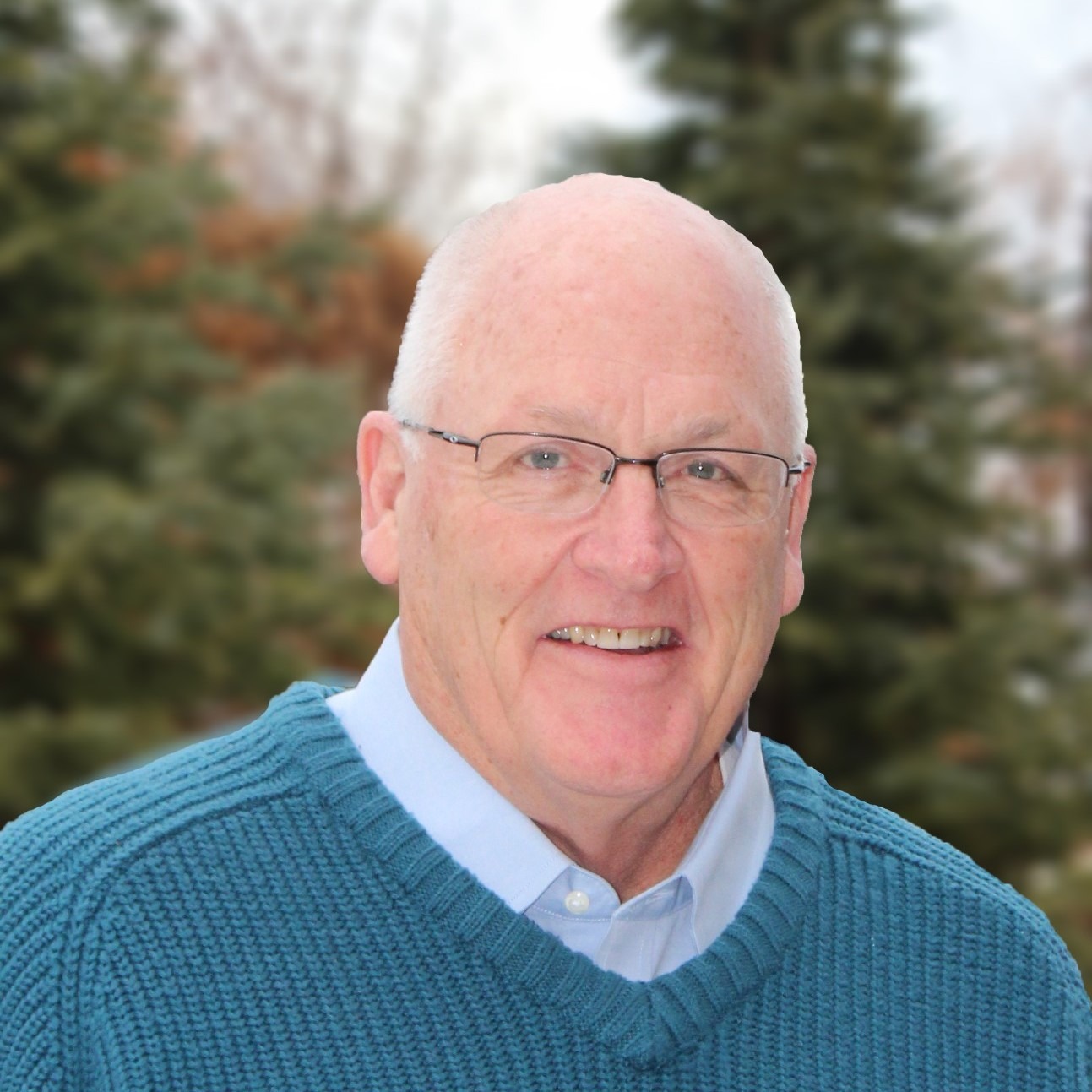
Dr. Joseph Q. Jarvis is a public health physician, chair of the Utah Cares Political Issue Committee and author of several books, including The Purple World: Healing the Harm in American Health Care and What the Single Eye Sees: Faith, Hope, Charity, and the Pursuit of Discipleship.