


By Joseph Q. Jarvis | Published: 18 June 2026
On the Bingham Family Clinic website (Bingham Family Clinic | Free Medical Care for the Uninsured), in large lettering, stands the following:
CARING FOR THE FAMILIES OF UTAH COUNTY: EVERY FAMILY DESERVES COMPASSIONATE CARE—EVERYONE WELCOME
I visited the clinic a couple of days ago at the invitation of Dr. Kirk Woodward, the CEO of the clinic. He and I enjoyed an hour long conversation about the clinic, its purposes, and the failures of American health care which create the need for such a clinic.
The clinic is tucked away in the northwestern corner of the West Campus of Utah Valley University. It occupies space in a university building because it has a serious mission in the training of medical professionals who are receiving their classroom instruction at the university. The Bingham Family Clinic is one of many “Free” clinics in Utah, which serve the uninsured. They do so with funds donated from wealthy people in Utah or through corporate donations, often from health care businesses. These clinics explicitly do not accept patients with some form of insurance, public (like Medicaid) or private.
Dr. Woodward is a family physician with many years of experience in primary care in Vernal, Utah. He is an energetic, smiling man who has sacrificed his own interests in order to lead this clinic in the middle of Utah County. He knows from his own experience that American health care its fraught with problems, not the least of which is that it leaves behind millions of Americans who have no financing for medically necessary care. He hopes too meet that need for at least some of the families in Utah County. And, while doing so, he hopes to provide a clinical training site for future med techs, nurses, PAs, nurse practitioners, therapists, and doctors.
I told Dr. Woodward that I understand completely the difficult mission he has undertaken. My own roots in clinical medicine were grown at a federally qualified community health center in Salt Lake City where none of my patients had health insurance (although some were on Medicaid). Providing comprehensive primary care to a population that is underserved means encountering difficult chronic diseases long neglected and infectious diseases that could have been prevented with vaccine. I honor his devotion to this cause and wholly endorse the concept of “Free” clinics wherever they are found in Utah.
And yet, as I told him, these clinics can not come close to really meeting the clinical needs now extant in Utah, or anywhere else in the US. The American health care enterprise is all about making profits, which it does very well. But it does so by massive neglect of the patients and people of the United States. No amount of charitable care, however well intended, will take up the slack of a dysfunctional health care ‘system’ that thrives on denial of care, exclusion from service, and scrimping on medicine and surgery. It’s likely that all of the free clinics in Utah combined probably meet less than 1% of the true need for care currently going unfinanced. Every year in Utah $40 billion is spent on health care and we still leave several hundred thousand Utahns uninsured. A few million donated to free clinics can not make up that difference.
There is a further irony in the mission of a free clinic. Dr. Woodward told me about a patient who had come in that morning who had admitted that he had a health insurance policy of some kind. He was referred out of the Bingham Family Clinic because, as Dr. Woodward put it, the clinic is not designed to relieve people of their obligation to make a co-payment. But, of course, co-payments are the least of the financial worries of American patients who have financial difficulties getting care despite have paid premiums to buy a health insurance policy. Co-insurance and deductibles are much more difficult financial obligations to meet. People who can not pay their deductible will not get any payments for their needed care from their insurance company. They are functionally uninsured and belong to a class of patients in the US which is growing fast due to the ironically named Affordable Care Act. Higher and higher deductibles are the consequence of the ACA. The functionally uninsured are as unable to get needed care as are the actual uninsured. Yet, free clinic policy does not allow the functionally uninsured to receive services.
There is a solution to these endless problems in American health care. As I explained to Dr. Woodward, the underlying problem here is the business model of American health insurance which values profiteering and sales over actually taking care of people. What we as a nation need to do is recognize that we made a mistake in fostering for-profit health insurance with a tax policy that favors employers purchasing this product for the employees. We need to replace that mistaken favoritism with better, simpler care financed fairly for all.
In Utah, we have drafted the legislation which would make it possible to finance every medically necessary encounter for patients. The legislation is called the Utah Cares Act. Read the Act here: View source at utahcares.health
I have invited Dr. Woodward to read the Act and the supporting economic studies and then get back together with me to discuss it. The health of his patients, in fact all Utah patients, depends upon us changing how we do health care business. In fact, the future health of the American economy at large depends upon us finally getting health system reform done correctly and sustainably. We can not continue to spend vast sums more each year on health care, skewing the economy ever more toward a very dysfunctional health care system at the expense of everything else that we value.
View source at framerusercontent.com

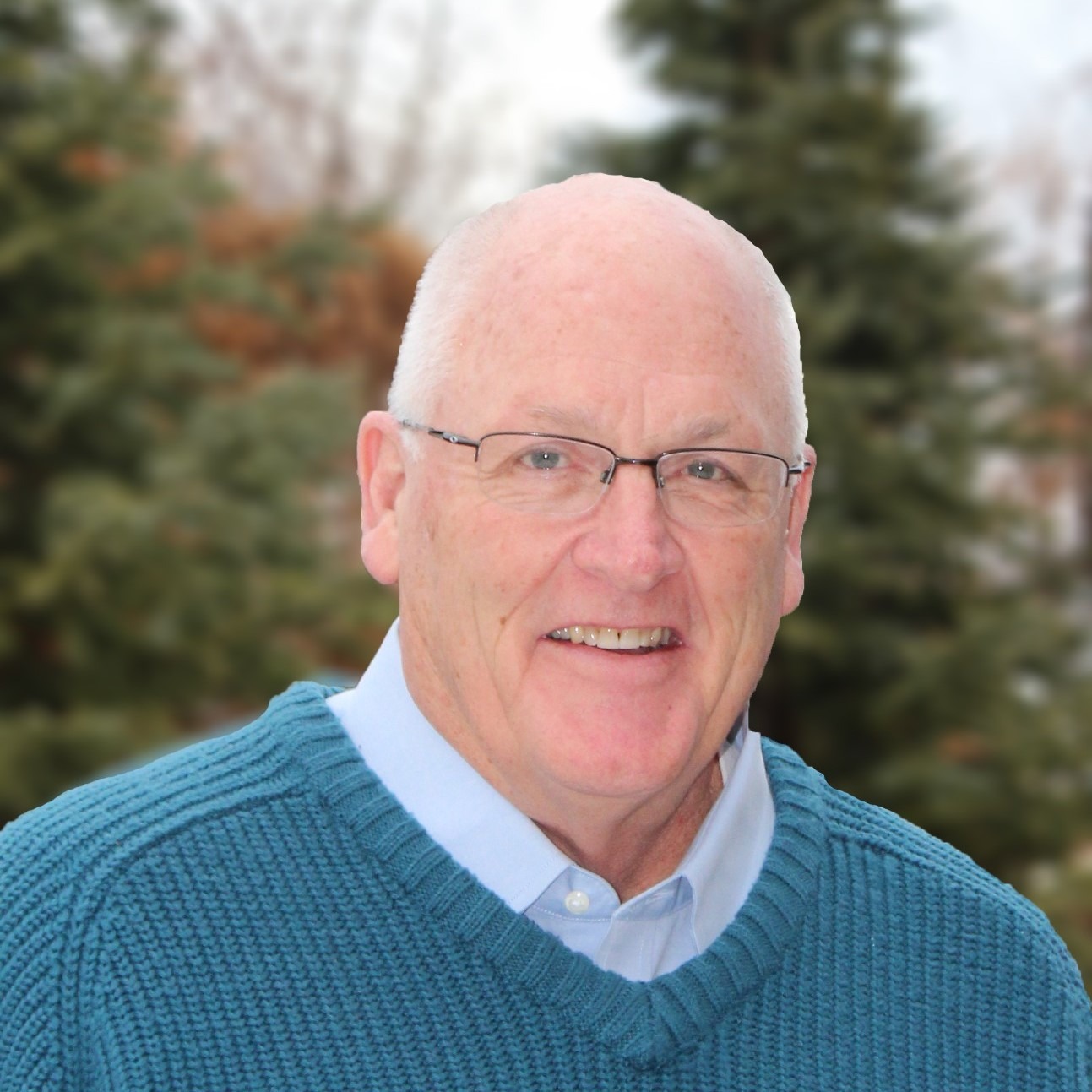
Dr. Joseph Q. Jarvis is a public health physician, chair of the Utah Cares Political Issue Committee and author of several books, including The Purple World: Healing the Harm in American Health Care and What the Single Eye Sees: Faith, Hope, Charity, and the Pursuit of Discipleship.