



By Joseph Q. Jarvis | Published: 23 July 2026
My wife and I are on holiday staying near the Lauterbrunnen valley (see first photo) where we undertook a guided tour yesterday visiting, among various Sehenswürdigkeiten, Trummel Falls (2nd photo), Aarleschlucht (3rd photo), and Giess Falls (4th photo). Naturally I spent the time with our guide, Sergio Serra, talking about health systems.
Sergio, who is in his mid-fifties, was born on the island of Sardinia in Italy. At a very young age he emigrated with his father to North America, living as a child and youth respectively in Mexico and Canada.
As he became of working age he chose to return to Europe where he has remained for more than thirty years. His career in the travel industry has taken him to Spain, the Netherlands, Norway, Italy, Germany, and now Switzerland. He, therefore, has a breadth of experience with multiple health systems.
Canada, Spain, and Italy he described as public health financing systems wherein he was taxed a small amount (his description) and received healthcare without substantial out of pocket expense. Everyone he knew received whatever care they needed. If urgent, that care was delivered promptly. If the clinical situation was not urgent, then waiting for elective service could take a little time. Hospital patients in these systems would share rooms, in which there were no amenities. But he judged the care to be good.
The other countries where he has lived and worked were all in Northern Europe. They all had health systems which he referred to as privately funded. This meant that residents there were all required to pay out of pocket for a health insurance plan covering all healthcare except for injuries and illnesses arising out of work. Worker’s compensation was funded by payments from employers. He noted that Germany did have a public health insurance plan in addition to the many private plans on offer.
Switzerland, where he currently resides, is the most expensive country for health insurance in his experience. He now pays a monthly premium roughly twice the size of the premium he paid in the Netherlands (400 Swiss francs vs. 200 Swiss francs). His deductible now is 1500 Swiss francs. When he injured his back and had to be hospitalized, however, he paid no deductible because the injury occurred at work and was 100% covered by workers compensation.
He describes the healthcare facilities in Northern Europe as fancier than in Spain and Italy, particularly in Switzerland. The rooms at the hospital are, in his words, ‘like a hotel’. By which he meant private for each patient, with nicer furnishings, and better food selected from a generous menu of options.
I asked him if he had ever heard of anyone in any of the countries where he has lived going bankrupt because of the cost of injury or illness. He emphatically denied that something like that kind of financial devastation would ever occur in those various countries (though he pointed out that he was too young when he lived in Mexico to really know for sure). I then asked him if he ever knew of a resident living in any of these countries of his past or present residence dying because they could not afford needed medical care. Again, he denied that this might ever happen. He explicitly stated that even if someone in a Northern European country failed to pay their premiums or couldn’t meet their deductible they would still receive any urgent care needed and would never be left to suffer unattended.
When I explained to Sergio what health insurance costs in the US, including deductibles, he was astonished. When I further stated that hundreds of thousands of Americans are bankrupted by healthcare costs each year, he was astounded. And then I told him that plausibly 200,000 Americans die each year due to the health system failing to provide needed care, he was incredulous. His comment was: “America should be a better place than that.”
Ladies and Gentlemen, we have for decades allowed corporate interests, the medical industrial complex, to use excessive profits garnished from the financing of our illnesses and injuries, to burrow themselves into our political system and shield themselves from effective governance. We must fight to rid our nation of this unholy invasion into our lives or give up and watch our friends and family suffer financial ruin or premature morbidity and mortality at the hands of an uncaring health care system. If we do nothing our nation will soon suffer a financial collapse due to the unchecked greed of the medical industrial complex.
The Utah Cares Act represents for all states the way forward in this fight. There are similar drafted statutes elsewhere in the country (eg, New York and Washington). The campaign to enact these bills will be exceedingly difficult given that the opposition is well-heeled and tenacious in defense of its greed. When Colorado in 2016 attempted to pass similar legislation by ballot initiative the health insurance interests spent ten times as much in opposition as the proponents of the measure were able to raise in support.
Those of us working hard to give Americans a chance to defend their health care need donations to build the campaign for better, simpler care financed fairly for all. Please stop what you are doing, visit the Utah Cares website View source at utahcares.health and make a donation, however much you can afford, large or small, to this cause.
Sergio Serra is correct. We Americans are better than the egregious health care system we have allowed to entrench in our country. American politics will be a fight about health care until we get this right, or until the wrongs of our health system bury our country.



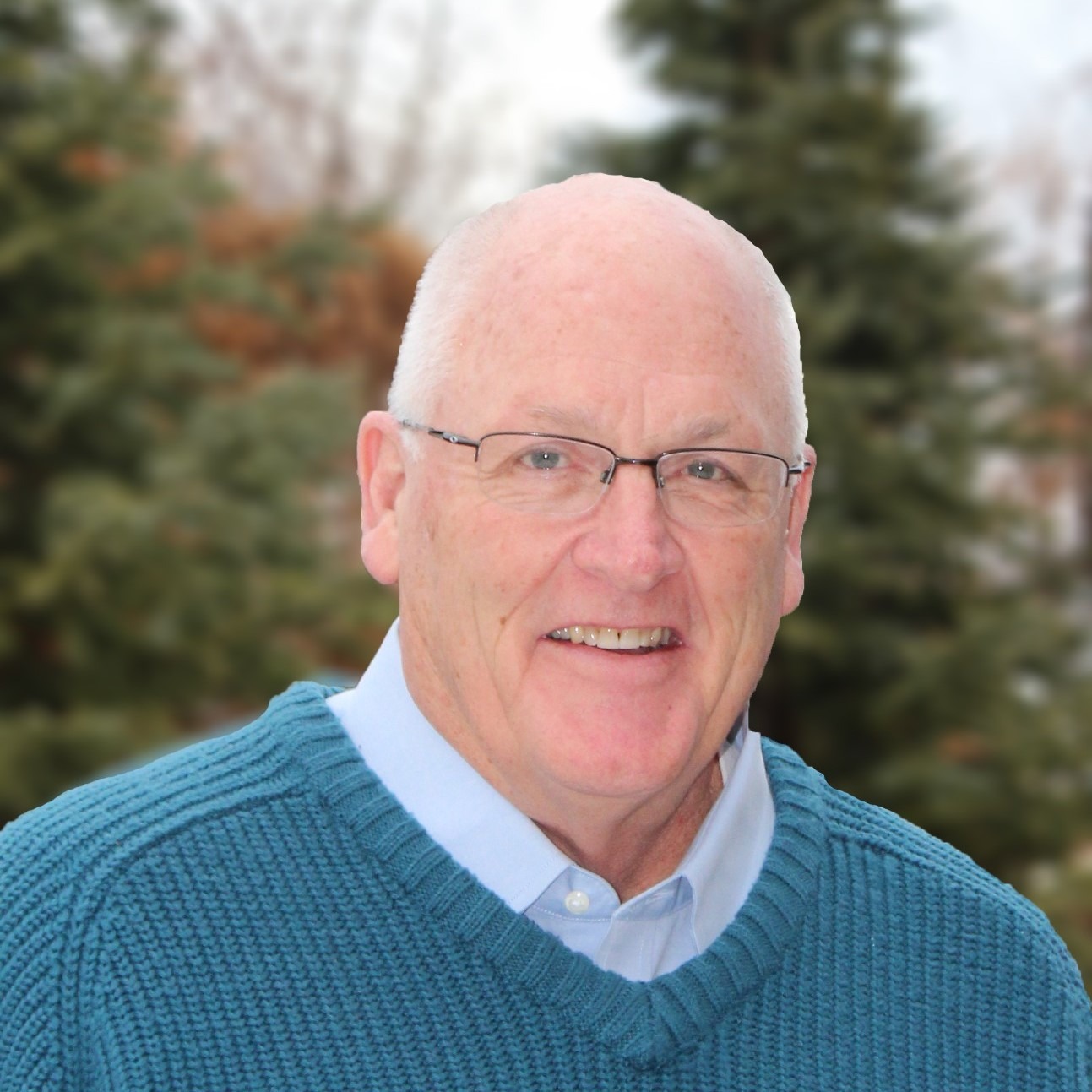
Dr. Joseph Q. Jarvis is a public health physician, chair of the Utah Cares Political Issue Committee and author of several books, including The Purple World: Healing the Harm in American Health Care and What the Single Eye Sees: Faith, Hope, Charity, and the Pursuit of Discipleship.